
Telecommunications Tower Inspections in Townsville
Based in Townsville, serving Queensland wide
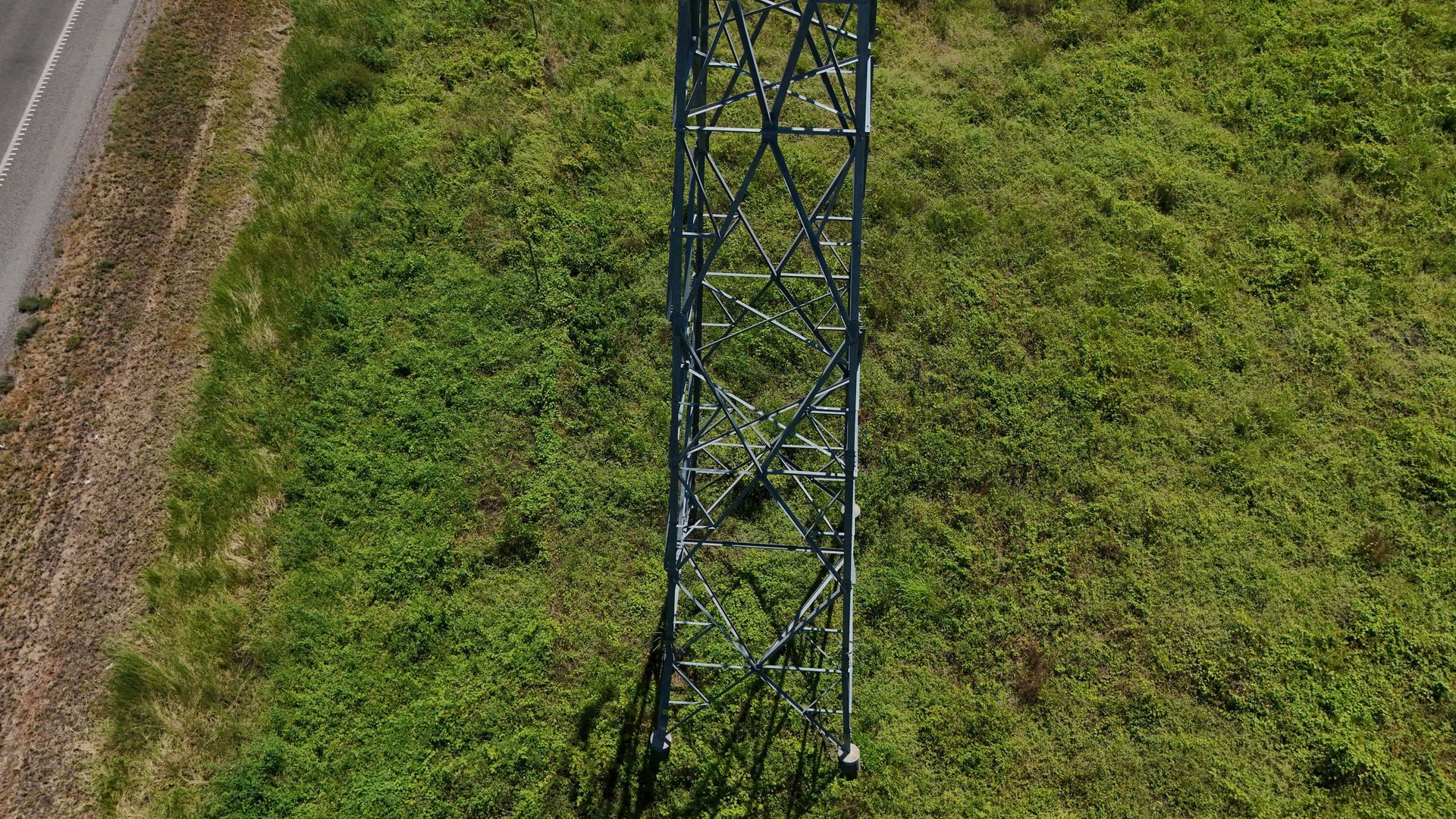
Safer Tower Inspections From The Ground
Telecommunications tower inspections provide a safer and more efficient way to assess antenna health, cabling and structural integrity across Townsville and wider North Queensland. At UAScend Aerial Solutions, we deliver detailed drone inspections that capture high-resolution aerial imagery without requiring climbing crews, elevated work platforms or unnecessary service interruptions. This allows critical infrastructure to be inspected quickly while improving safety and reducing risk on site.
Key benefits of this service include:
- Detailed aerial assessments of antennas, cabling, mounts & guy wires
- Safer inspections by reducing the need for working at heights
Reliable aerial insights support maintenance planning, compliance checks and urgent assessments following storms or extreme weather. Faster inspection turnarounds help asset managers identify corrosion, vegetation encroachment, equipment damage and access issues without delays. This approach improves efficiency while keeping technicians safely on the ground.
Call 0406 669 838 to organise a telecommunications tower inspection.
Better Data For Maintenance & Compliance
Telecommunications infrastructure requires accurate visual data to maintain network reliability, coverage and safety standards. Drone-based inspections allow towers, antenna arrays, cable routing, mounts, guy wires, corrosion points and surrounding clear zones to be assessed in detail. This provides a comprehensive view of the entire tower and its immediate environment without the limitations of traditional manual inspections.
Captured imagery and video can support scheduled audits, structural integrity checks, storm damage assessments and equipment upgrade planning. Clear, geo-tagged visuals also make it easier to compare site conditions over time and prioritise maintenance before issues become more serious.
Recurring inspections can be tailored to suit operational needs, including weekly, fortnightly, monthly or custom schedules. This helps infrastructure owners and maintenance providers demonstrate due diligence while maintaining safer, smarter and more cost-effective inspection processes.
Get in touch to discuss telecommunications tower inspections for your site.
Fast Turnaround
Actionable Data
Safer Inspections
Enquire Today
Need accurate stockpile measurements without site disruption?
Send through your details and the team will be in touch shortly.
Thank you for contacting UAScend Aerial Solutions.
We will get back to you as soon as possible.
Oops, there was an error sending your message.
Please try again later.
FAQ
How often should telecommunications towers be inspected?
The frequency depends on the asset type, location, maintenance requirements and exposure to weather or environmental conditions. Some towers may only need scheduled periodic inspections, while others may benefit from weekly, fortnightly or monthly monitoring. Regular inspections help identify corrosion, cabling issues, vegetation encroachment or structural concerns early. They also support better planning for upgrades and maintenance. Consistent inspection records provide a clearer view of asset condition over time.
What can drone tower inspections identify?
Drone tower inspections can identify a wide range of visible issues affecting telecommunications infrastructure. This may include antenna damage, loose or damaged cabling, corrosion, mount condition, guy wire concerns and signs of storm impact. Aerial imagery can also show vegetation encroachment, access issues and surrounding site conditions. These insights help asset managers assess maintenance priorities without sending personnel up the tower. Detailed visuals can also support compliance checks, audits and reporting.
Why are drone inspections safer than traditional tower inspections?
Drone inspections reduce the need for personnel to climb towers or work from elevated platforms. This lowers exposure to fall risks, unstable conditions and hazards around active infrastructure. Data can be captured from the ground with minimal disruption to the site or network operations. This approach improves safety while still providing detailed imagery and video for assessment. It also helps inspections be completed faster and more cost-effectively.